Design style
Industrial interior design
Raw textures, concrete + steel, loft-style openness.
Industrial interior design takes its cues from converted factories and warehouses. Structure is left exposed. Brick, concrete, ducts, pipes and steel beams become the decoration.
Materials are raw and durable: blackened steel, reclaimed timber, poured concrete, leather and canvas. Finishes are matte rather than polished, and signs of wear are accepted.
The layout is open and loft-like. Furniture is grouped into zones instead of closed off by walls, and tall factory-style windows with thin black frames let in as much light as possible.
3 designs free each month. No card required.
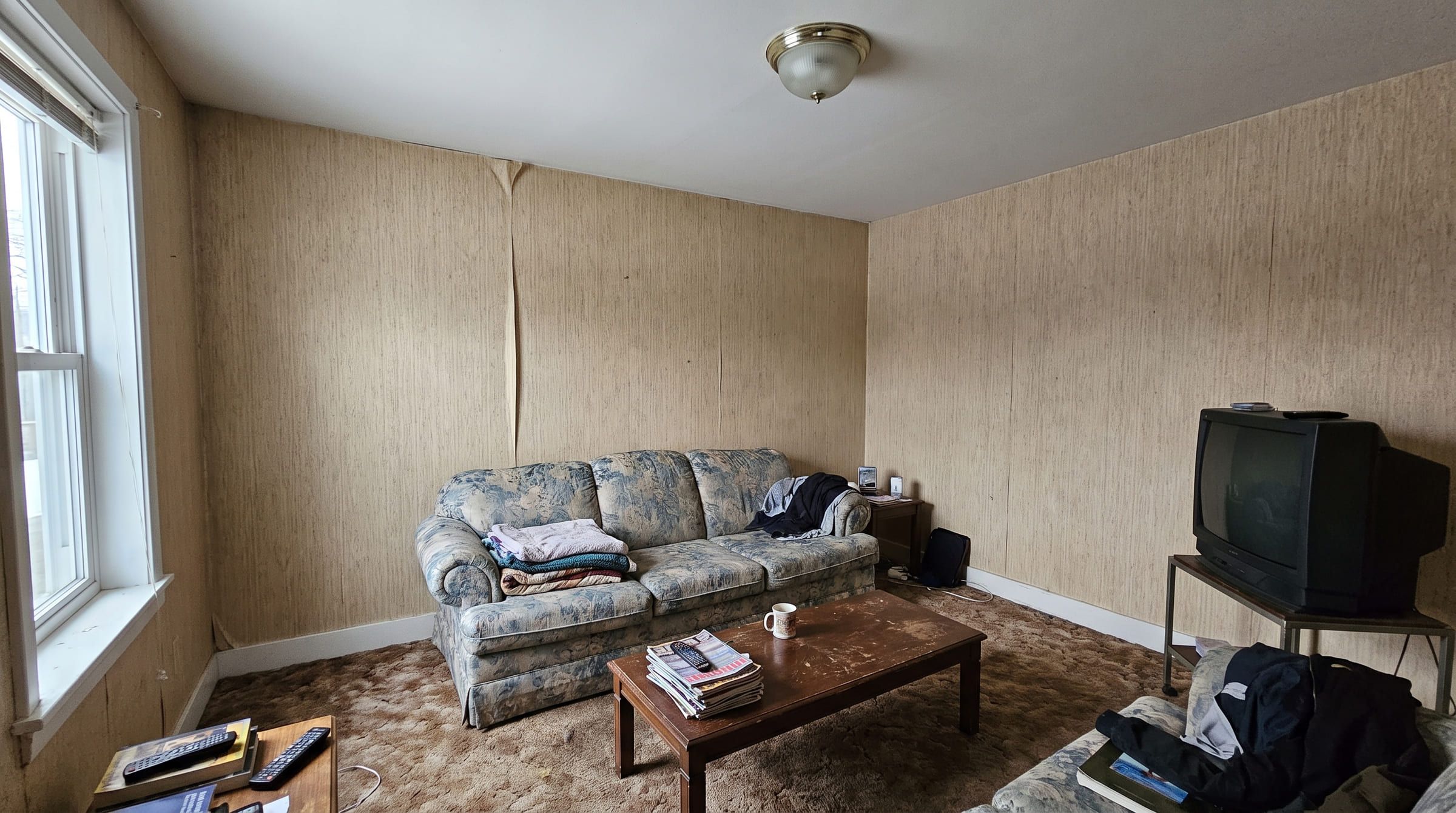
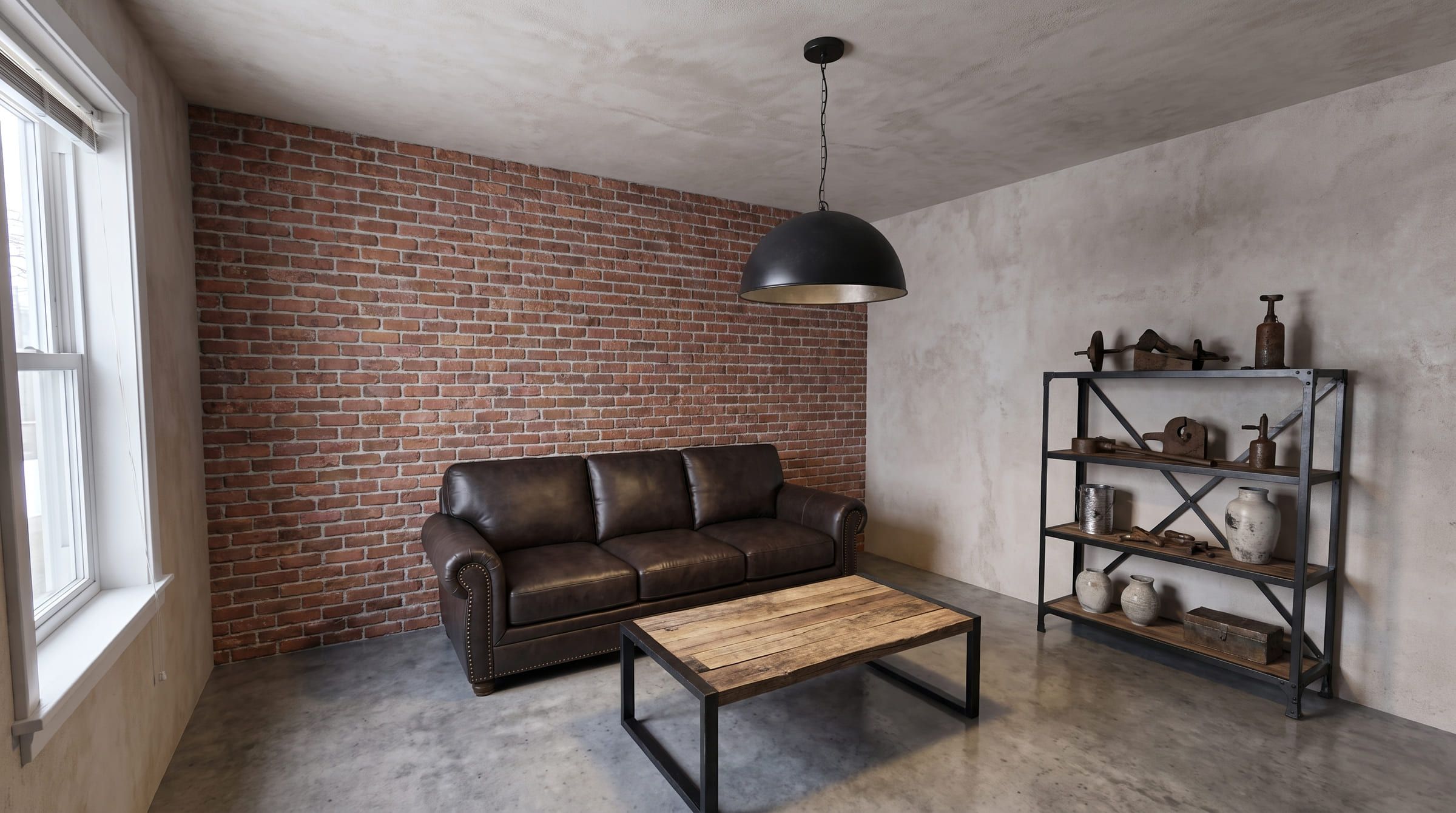
Drag to compare. The same living room photo, restyled in Industrial with remyhomeai's AI model.
What defines the industrial look?
Exposed structure is the signature. Brick walls, concrete columns, visible ductwork, surface-mounted conduit, rivets and I-beams are left on show. Where they do not exist, the look is suggested with a single wall of brick slips or a concrete-effect finish.
Matte black metal runs through everything: window frames, shelving, stair rails, lamp cages, table bases. It is the thread that ties the raw materials together.
Objects built for work are used as furniture. A workbench becomes a kitchen island. Metal lockers become a wardrobe. Factory stools line a counter. The result feels found rather than bought.
Materials and finishes
Concrete shows up as polished or raw floors, microcement walls and cast worktops. Brick is exposed and either left red, painted white or washed grey. Steel is hot-rolled and blackened for frames and shelving, or galvanised pipe used as brackets and rails. Cast iron appears on radiators and table bases.
Wood is reclaimed: scaffold boards, oak sleepers, thick slab tables with the saw marks still visible. Upholstery is distressed tan or dark brown leather, canvas or waxed cotton.
Glossy lacquer, soft pastels, delicate fabrics and ornate mouldings have no place here. Each of them undoes the raw quality the style depends on.
Colour palette
The palette is not painted on, it comes from the materials. Grey from concrete, rust red from brick, black from steel, warm brown from leather and timber. Walls are white, grey or very dark charcoal.
Accent colours are muted and metallic: oxidised copper, olive drab, mustard. The remyhomeai palettes Stone & Moss, Charcoal Brass, Slate & Sand, Blue Steel and Charcoal & Gold stay inside this range.
A white wall is the most useful decision in an industrial room. It stops the grey and black from closing in and lets the brick and steel read as features.
Lighting
Fixtures look like they came from a factory floor. Bare filament bulbs hang on fabric-covered cord. Wire cage lights and enamel dome shades drop low over tables and islands. Articulated scissor-arm wall lamps serve the desk and the bedside. Track lighting on black rails covers large open areas.
Light is warm and amber. Because industrial rooms are often tall, pendants hang well below the ceiling to bring the light down to people. Conduit that feeds the fixtures is left visible and painted black.
Daylight comes through large steel-framed windows with no curtains, or with plain canvas roller blinds where privacy is needed.
Furniture and layout
Seating is a leather Chesterfield or a low leather sofa with an exposed timber or steel frame. The dining table is a reclaimed wood slab on a steel trestle base, with pressed-steel stools or bentwood chairs around it. Shelving is pipe-and-plank. Storage is metal lockers and rolling carts on castors.
Kitchens use open steel shelving in place of upper cabinets, concrete or butcher-block counters, and a pot rail along the wall. The island is a workbench with a thick top.
The plan is open. Furniture, not walls, defines each zone. Rugs mark the seating area, a long table runs with the length of the room, and sightlines stay clear from one end to the other.
Common mistakes
The theme-park effect. Brick-print wallpaper, decorative cogs, metal signs and a neon arrow turn the room into a set. Use one real material or one convincing surface and stop.
Cold and hard. A room of concrete and steel with nothing soft is uncomfortable to sit in and loud to talk in. Leather, wool and timber are part of the style for a reason.
Fighting a low ceiling. Heavy pendants and dark walls make a standard-height room feel smaller. Keep walls light and fixtures compact where the ceiling is ordinary.
Ignoring acoustics. Hard surfaces echo. A large rug, a leather sofa and a canvas blind absorb enough sound to make the room usable.
What changes in your photo
Industrial in remyhomeai keeps your room's shell and changes its skin. Walls stay where they are but may read as exposed brick, bare concrete or a deep charcoal paint. Windows and doors stay in place, and their frames often turn black. Ceiling height and camera angle do not move. Floors become polished concrete or dark reclaimed boards unless you lock them.
Upholstered furniture becomes leather or canvas on metal frames. Wooden tables turn into slab-and-steel pieces. Curtains are removed or simplified to a plain blind. Ceiling fixtures become cage or enamel pendants, and shelving turns into open pipe-and-plank units. Decor shrinks to a few utilitarian objects. The tool cannot raise the ceiling or add factory windows, so the loft openness in the result is limited by the room you photograph.
Industrial style questions
Does industrial work in a small flat with low ceilings?
Yes, with restraint. Keep the walls white, use one feature surface such as a brick slip wall or a concrete-effect floor, and choose compact black fixtures instead of large pendants. The materials carry the style even when the loft proportions are missing.
Is industrial design dark?
Not by default. The classic loft has white walls, huge windows and pale concrete floors. Darkness comes from the choices on top: charcoal paint, dark leather, black steel. Use those in smaller doses if the room has little daylight.
What is the difference between industrial and rustic?
Rustic draws on farmhouses and cabins: natural timber, stone, warm colours and hand-made texture. Industrial draws on factories: metal, concrete, brick and machine-made parts. They share reclaimed wood, which is why they are sometimes combined.
Can I get an industrial look without exposed brick?
Yes. Black steel, concrete-effect surfaces, filament pendants and leather seating do most of the work. Brick is one option for a feature wall, not a requirement.
The other six styles, on the same room
- ModernSleek lines, glass + metal accents, dramatic lighting.
- MinimalistAiry layouts, matte finishes, calm monochrome palettes.
- ContemporarySoft curves, layered lighting, warm neutrals with contrast.
- ScandinavianLight woods, cozy textiles, soft greens and whites.
- TraditionalSymmetry, paneled details, rich fabrics and warm metals.
- EclecticPlayful mix of art, texture, and bold curated accents.