Design style
Traditional interior design
Symmetry, paneled details, rich fabrics and warm metals.
Traditional interior design follows the conventions of classic European and American houses: symmetrical arrangements, wall panelling and mouldings, upholstered furniture with turned or carved legs, and rich fabrics such as velvet, damask and wool.
Metals are warm: antique brass, bronze and gilt. Wood is dark and polished: mahogany, cherry, walnut. Pattern is welcome, from florals and stripes to Persian rugs.
The result is formal but comfortable. Pairs of lamps, pairs of chairs and a central focal point such as a fireplace give the room its order.
3 designs free each month. No card required.
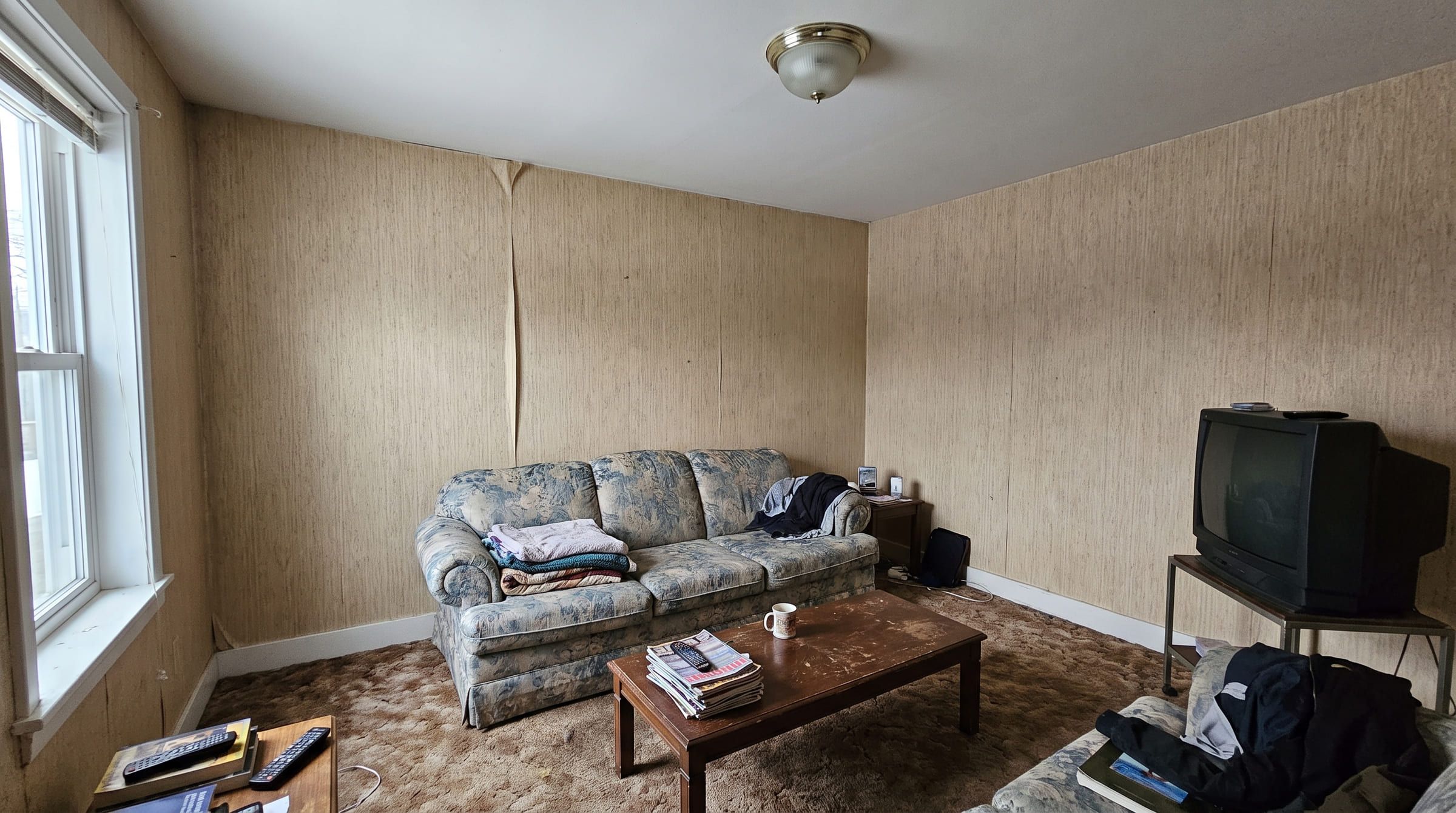
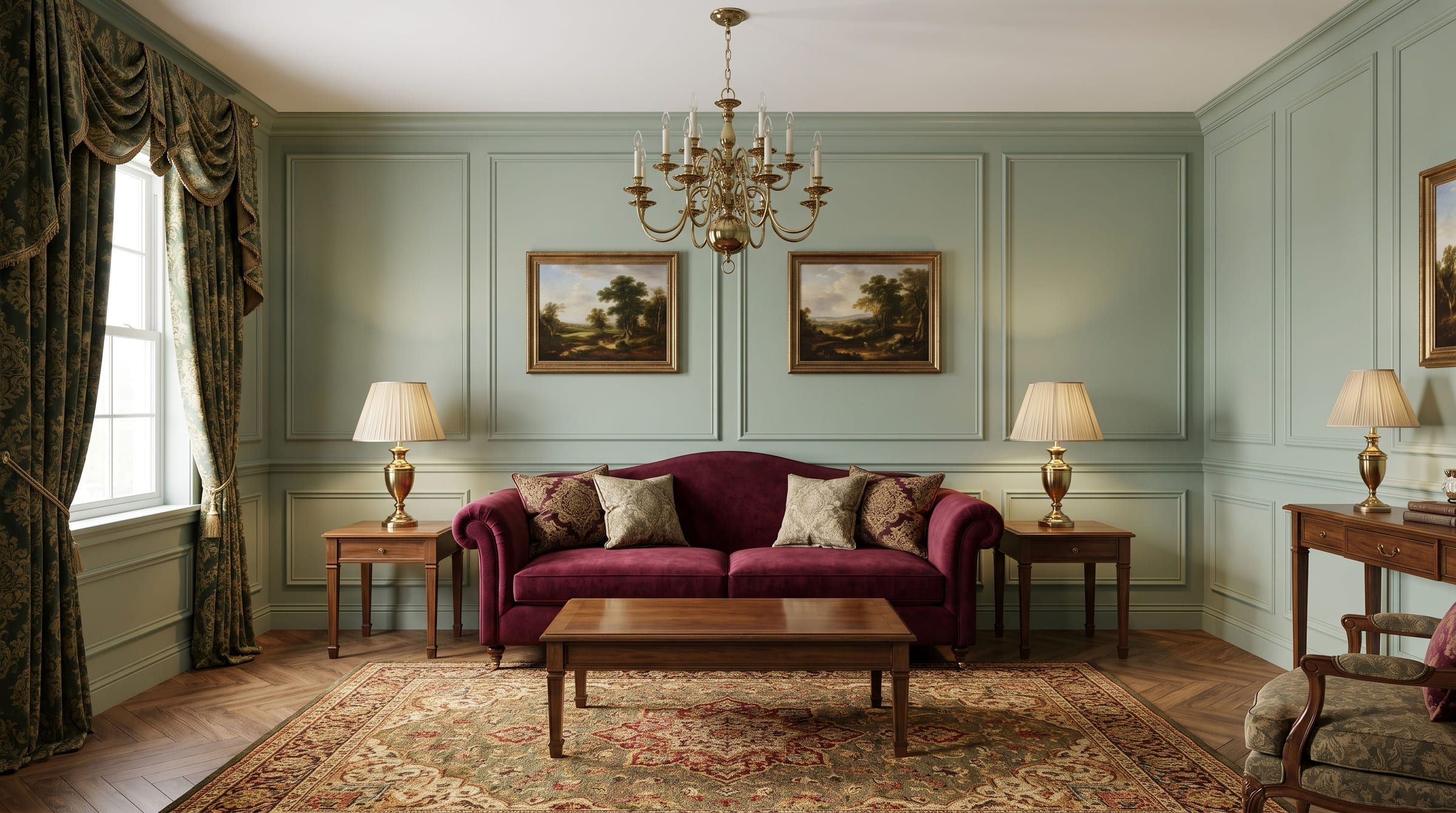
Drag to compare. The same living room photo, restyled in Traditional with remyhomeai's AI model.
What defines the traditional look?
Symmetry organises the room. Matched armchairs flank the fireplace. The sofa is centred on the wall. A mirror hangs over the mantel with a lamp or candlestick at each end.
Architectural detail is on display: wainscoting, raised panelling, crown moulding, picture rails, a ceiling rose and a carved or marble fireplace surround. Where the house lacks them, panelling is added.
Fabric and pattern are layered. Antiques or antique-style pieces mix with newer upholstery. The room feels established, as if it has been lived in for a long time and improved along the way.
Materials and finishes
Hardwoods are dark and polished: mahogany, walnut and cherry on tables, chests and chair frames. Panelling is painted in eggshell. Hardware is brass: door knobs, curtain poles, drawer pulls and picture lights. Lamp bases are bronze or ceramic and frames are gilt.
Fabrics are the richest of any style. Velvet, silk, damask, chintz, wool tweed and needlepoint cover seats and windows. Details include fringe, piping, pleats and skirts.
A marble fireplace surround, an Oriental or Persian rug, porcelain and crystal finish the room. Wallpaper is damask, stripe or botanical, often above a dado rail.
Colour palette
Tones are deep and saturated: burgundy, forest green, navy, oxblood and mustard. Cream and ivory appear on trim, ceilings and some upholstery. Walls are often a mid or deep colour with white woodwork for relief.
Burgundy Elegance, Charcoal Brass, Cocoa & Vanilla, Midnight Navy and Forest Retreat are the remyhomeai palettes that suit a traditional room.
Wood tone grounds the scheme. Fabric carries the pattern. Brass adds the warmth that stops dark colours from feeling heavy.
Lighting
A chandelier, crystal or brass, hangs over the dining table or in the centre of the living room. Matched table lamps with pleated or silk shades stand at each end of the sofa. Wall sconces come in pairs. A brass picture light sits above the main artwork.
Light is soft, warm and layered. Bare bulbs and grids of recessed downlights are avoided because they belong to other styles. Candlesticks on the mantel and the table are lit, not only displayed.
Windows carry full-length lined drapes on brass poles, held back with tiebacks. Daylight is filtered through a sheer under-curtain rather than blocked.
Furniture and layout
Seating is a rolled-arm sofa with a skirt or turned legs, a wingback chair, a leather Chesterfield and button tufting wherever upholstery allows. The dining table is a pedestal with Queen Anne or ladder-back chairs. Case pieces include a secretary desk, a highboy and a glass-fronted bookcase.
Occasional tables multiply: a nest of tables, a tray table, a mahogany side table with a single drawer. A footstool or ottoman sits in front of the fire.
Furniture is arranged symmetrically around a focal point and set at right angles to form a conversation group. A large rug centres the arrangement and the sofa sits on it, not beside it.
Common mistakes
Buying one matching suite. A sofa, two chairs and tables from the same range look like a furniture showroom. Mix periods, woods and finishes so the room looks collected.
Letting it go dark. Deep walls, dark wood and heavy drapes with no cream relief turn a room into a cave. Pale trim, a cream rug and lamps at seated height bring it back.
Getting the scale wrong. A small chandelier over a large table, or a rug that stops short of the sofa legs, makes expensive pieces look cheap.
Confusing clutter with layering. Collections need editing. Group objects in odd numbers on a tray and leave some surfaces empty.
What changes in your photo
Traditional in remyhomeai adds detail to your photo without moving anything structural. Walls, windows, doors, ceiling height and camera angle remain exactly as shot. Walls may gain painted panelling, mouldings or a damask paper. The floor usually becomes dark polished boards or herringbone parquet with a patterned rug on top, unless you keep it.
Plain seating becomes rolled-arm sofas and wingbacks in velvet or tweed. Glass tables turn to mahogany. Blinds become lined drapes with tiebacks. The ceiling light becomes a chandelier and matched lamps appear in pairs. Metals go to brass and artwork gets gilt frames. Keep an existing fireplace or built-in bookcase by naming it in the keep field. The style works best when the photo already has a focal point to arrange around; the tool cannot build a fireplace into a blank wall.
Traditional style questions
Is traditional the same as classic or vintage?
Not quite. Vintage describes the age of a piece. Classic is a loose compliment. Traditional is a specific vocabulary: symmetry, panelling, dark polished wood, rich fabric and brass. A new sofa can be traditional and an old sofa can be modern.
Can a traditional room look fresh rather than dated?
Yes. Lighter wall colours, fewer competing patterns, cleaner upholstery shapes and a mix of old and new pieces keep the formality without the heaviness. Designers call this transitional.
Does traditional need high ceilings and original mouldings?
No. Panelling and a picture rail can be added to a plain room, and the furniture, fabrics and lighting carry most of the style. A low ceiling only asks for a smaller chandelier.
What is transitional style?
Transitional sits between traditional and contemporary. It keeps the symmetry, the rolled arms and the warm metals but drops the heavy pattern and dark wood for neutral fabrics and simpler forms.
The other six styles, on the same room
- ModernSleek lines, glass + metal accents, dramatic lighting.
- MinimalistAiry layouts, matte finishes, calm monochrome palettes.
- ContemporarySoft curves, layered lighting, warm neutrals with contrast.
- IndustrialRaw textures, concrete + steel, loft-style openness.
- ScandinavianLight woods, cozy textiles, soft greens and whites.
- EclecticPlayful mix of art, texture, and bold curated accents.