Design style
Eclectic interior design
Playful mix of art, texture, and bold curated accents.
Eclectic interior design mixes pieces from different periods, styles and places in one room: a mid-century chair beside an antique chest under a contemporary print. The mix is deliberate. It is held together by repeated colours, consistent scale and a clear editing hand.
Art is central. Gallery walls, sculpture, textiles collected while travelling and strong colour accents give the room its energy. Texture is layered: velvet next to rattan, glazed ceramic next to brass.
Eclectic is not the same as random. Rooms that work follow rules: a neutral backdrop or one strong colour thread, a consistent scale across pieces, and plenty of repetition.
3 designs free each month. No card required.
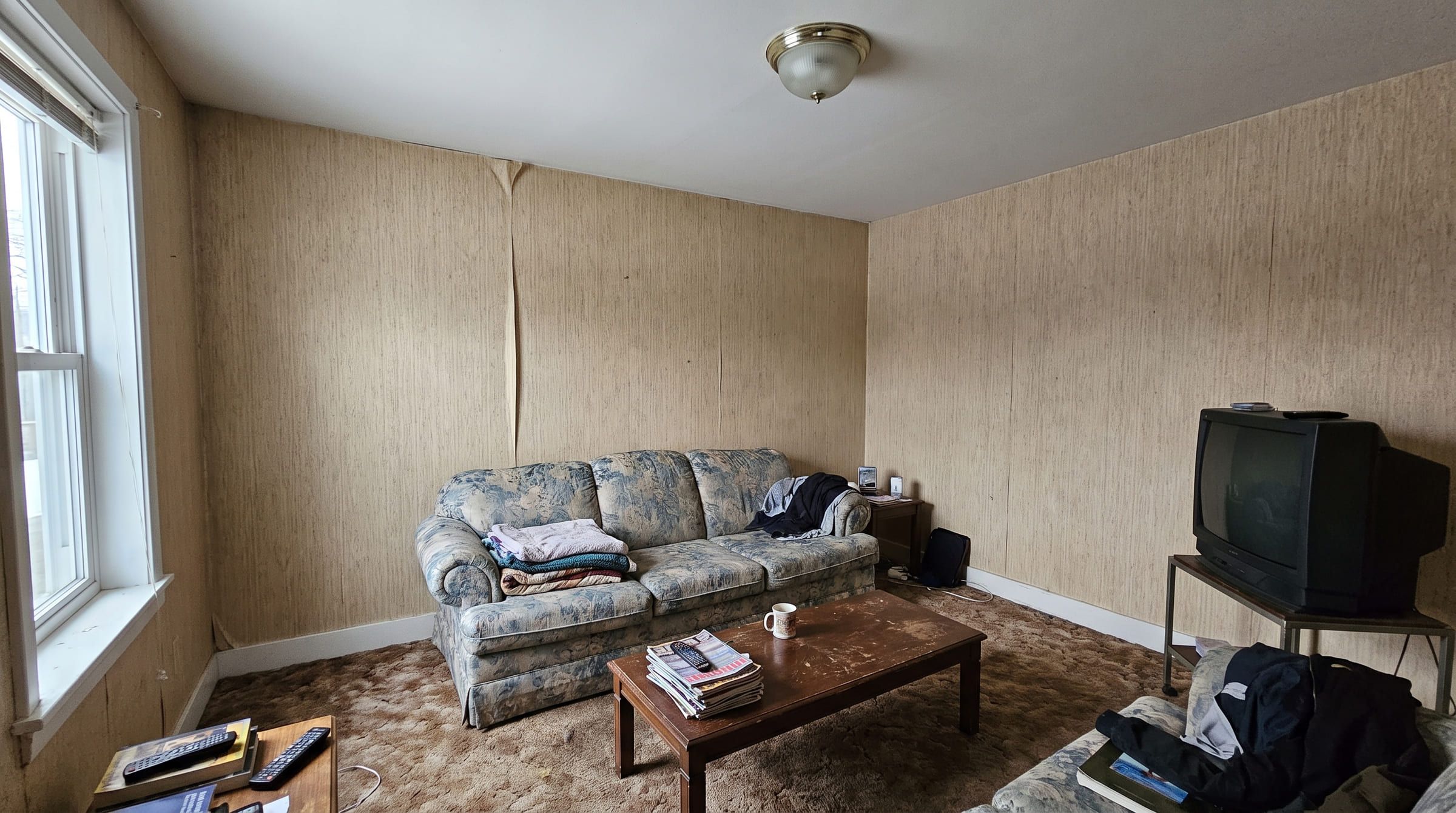
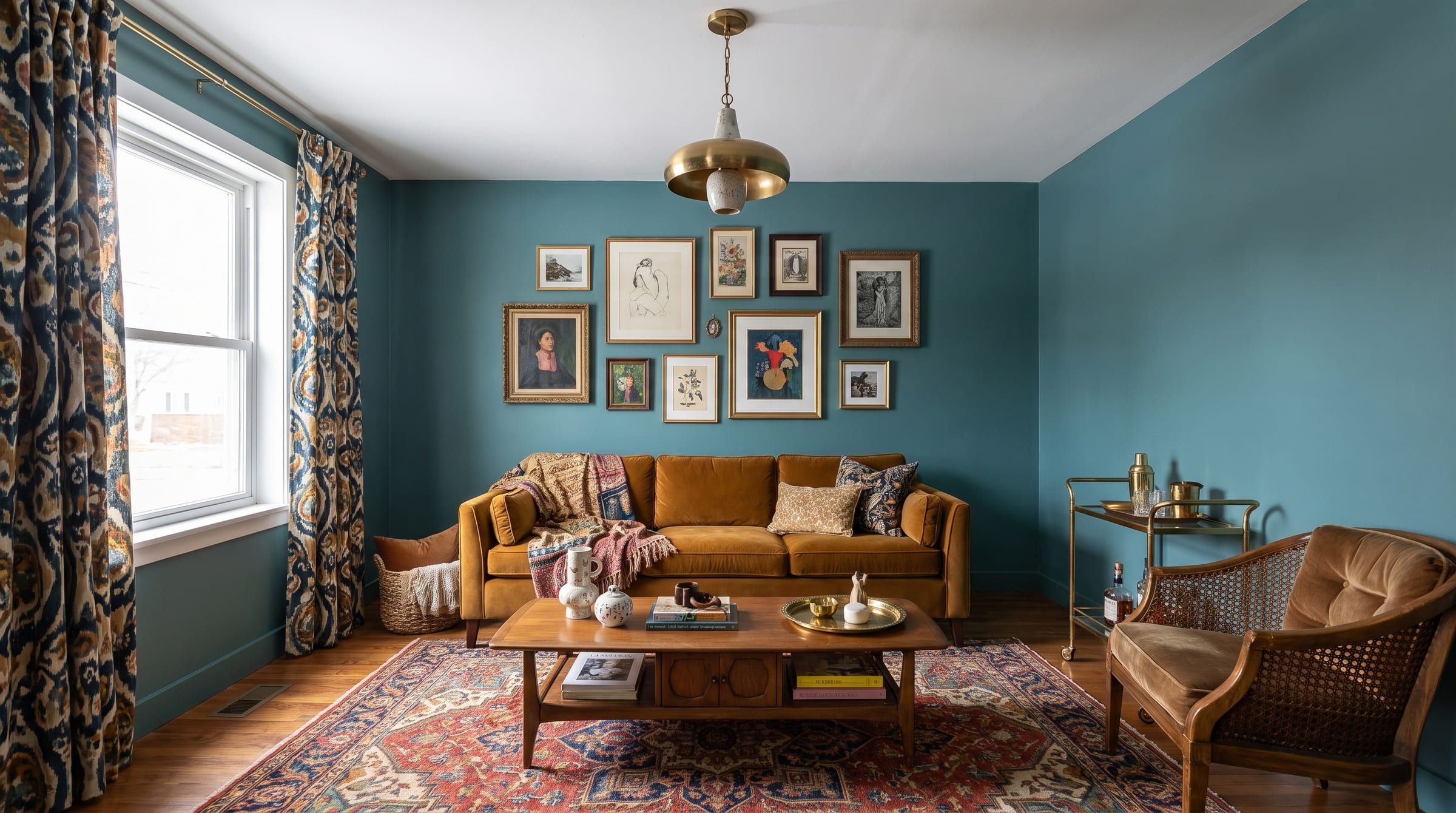
Drag to compare. The same living room photo, restyled in Eclectic with remyhomeai's AI model.
What defines the eclectic look?
Eras and origins are mixed. Nothing matches, but everything relates to something else in the room through colour, material or shape. Each object has a reason to be there, which is what the word curated means in practice.
Colour pops are the energy source. A saturated accent such as emerald, cobalt or coral is repeated at least three times across the room so the eye reads it as a decision.
The walls are for art. Salon-style hangs climb to the ceiling. Shelves hold objects rather than only books. The room tells you who lives there, which few other styles do.
Materials and finishes
Almost any material is allowed, provided it is placed in contrast with another. Velvet next to a kilim. Leather beside rattan and cane. Lacquer against raw timber. Brass and chrome in the same room, which no other style permits.
Terrazzo, patterned encaustic tile and glossy coloured ceramic bring pattern into hard surfaces. Vintage wood with a worn finish sits next to high-gloss new pieces.
The governing rule is contrast with repetition. If brass appears once, it should appear three times. If one chair is cane, a cane tray or lamp should echo it elsewhere.
Colour palette
Two approaches work. The first is a neutral envelope, white or warm grey walls, with bold accents in the furniture and art. The second is a saturated wall colour such as deep teal, plum or ochre that acts as the unifier for everything in front of it.
Jewel tones suit the style: emerald, sapphire, amethyst, ruby. The remyhomeai palettes Pastel Play, Golden Hour, Graphite Teal, Plum Velvet and Sunset Glow each supply a confident colour thread.
Choose three colours and repeat them. Let the pattern vary from stripe to floral to geometric while the hues stay constant. That is what keeps a mixed room from reading as a jumble.
Lighting
Fixtures are mismatched on purpose but balanced in weight. A vintage brass chandelier, a sculptural contemporary floor lamp and a ceramic table lamp with a patterned shade can share one room. A rattan or coloured glass pendant is a typical statement.
Lamps are treated as objects, so their shades can be coloured, pleated or printed. Picture lights illuminate the gallery wall. A string of festoon bulbs along a shelf is acceptable here and nowhere else.
Light is warm and comes from many points at different heights. The single overhead fixture is the least important source in the room.
Furniture and layout
A velvet sofa in a jewel colour anchors the seating. Facing it is a pair of vintage armchairs that do not match: one leather, one in a printed fabric. A kilim-covered ottoman or a lacquered coffee table sits between them, or a vintage trunk does the same job.
Rattan side chairs, an antique sideboard with a large contemporary canvas above it, an open bookcase styled with objects and plants in varied pots complete the picture. Rugs are layered: a vintage Persian over a plain jute.
The arrangement is conversational and slightly asymmetrical. One large anchor piece sits at the centre with smaller finds around it. Objects are grouped in odd numbers.
Common mistakes
Random instead of curated. If no colour repeats and no scale is consistent, the result is clutter with a label. Every eclectic room needs a visible logic.
Too many focal points. When every corner competes, the eye has nowhere to rest. Leave some areas neutral so the bold ones register.
Small items everywhere. A shelf of knick-knacks is not layering. Go bigger and fewer: one large vase instead of six small ones.
Ignoring proportion. A huge sectional with tiny side tables, or a gallery wall hung too high above the sofa, breaks the room however good the individual pieces are.
What changes in your photo
Eclectic in remyhomeai layers your photo with colour and art. As with every style, the architecture is untouched: walls, windows, doors, the ceiling and the camera angle stay as they are. Walls may change colour or gain a gallery wall. Floors shift to warm boards or patterned tile with a vintage-style rug on top unless you lock them.
Matching furniture sets are broken up. The sofa becomes a jewel-toned velvet piece, the chairs become a mismatched pair, a plain coffee table becomes lacquer or a trunk. Textiles gain pattern: kilim, ikat, stripes. Lamps multiply in different styles and shelves fill with objects and plants. Because the result is varied by design, each run gives a different mix, so generate it more than once and keep the version where the colour thread repeats most clearly. Name any heirloom visible in the photo in the keep field to hold it in place.
Eclectic style questions
Is eclectic just mixing everything together?
No. Eclectic rooms follow rules that are easy to miss: a repeated colour thread, a consistent scale, one anchor piece and a neutral backdrop or a single unifying wall colour. Without those the mix becomes clutter.
How do I stop an eclectic room from looking messy?
Pick three colours and repeat each one at least three times. Use fewer, larger objects. Give the eye a place to rest with one plain wall or a plain rug. Edit twice a year and remove anything that does not connect to something else in the room.
Is eclectic the same as bohemian?
Bohemian is one branch of eclectic: relaxed, textile-heavy, full of plants and global pieces, usually in warm earthy colours. Eclectic is broader. It can be polished and formal, with lacquer and gilt, as easily as it can be boho.
Can eclectic work in a small room?
Yes, with a strict palette. Keep the walls neutral, limit the colour thread to two or three hues and choose fewer, bigger pieces. A single gallery wall gives the personality without filling the floor.
The other six styles, on the same room
- ModernSleek lines, glass + metal accents, dramatic lighting.
- MinimalistAiry layouts, matte finishes, calm monochrome palettes.
- ContemporarySoft curves, layered lighting, warm neutrals with contrast.
- IndustrialRaw textures, concrete + steel, loft-style openness.
- ScandinavianLight woods, cozy textiles, soft greens and whites.
- TraditionalSymmetry, paneled details, rich fabrics and warm metals.