Design style
Contemporary interior design
Soft curves, layered lighting, warm neutrals with contrast.
Contemporary interior design is the look of the present moment. It borrows from several styles and softens them: rounded furniture, warm neutral colours, mixed textures and light at several heights.
Unlike modern, which has a fixed vocabulary of glass and steel, contemporary changes as taste changes. At the moment that means curved sofas, boucle, travertine, fluted wood and brushed metal in warm tones.
Contrast comes from a dark accent such as black metal, espresso wood or a deep green wall, set against cream and taupe. Bright colour is rare.
3 designs free each month. No card required.
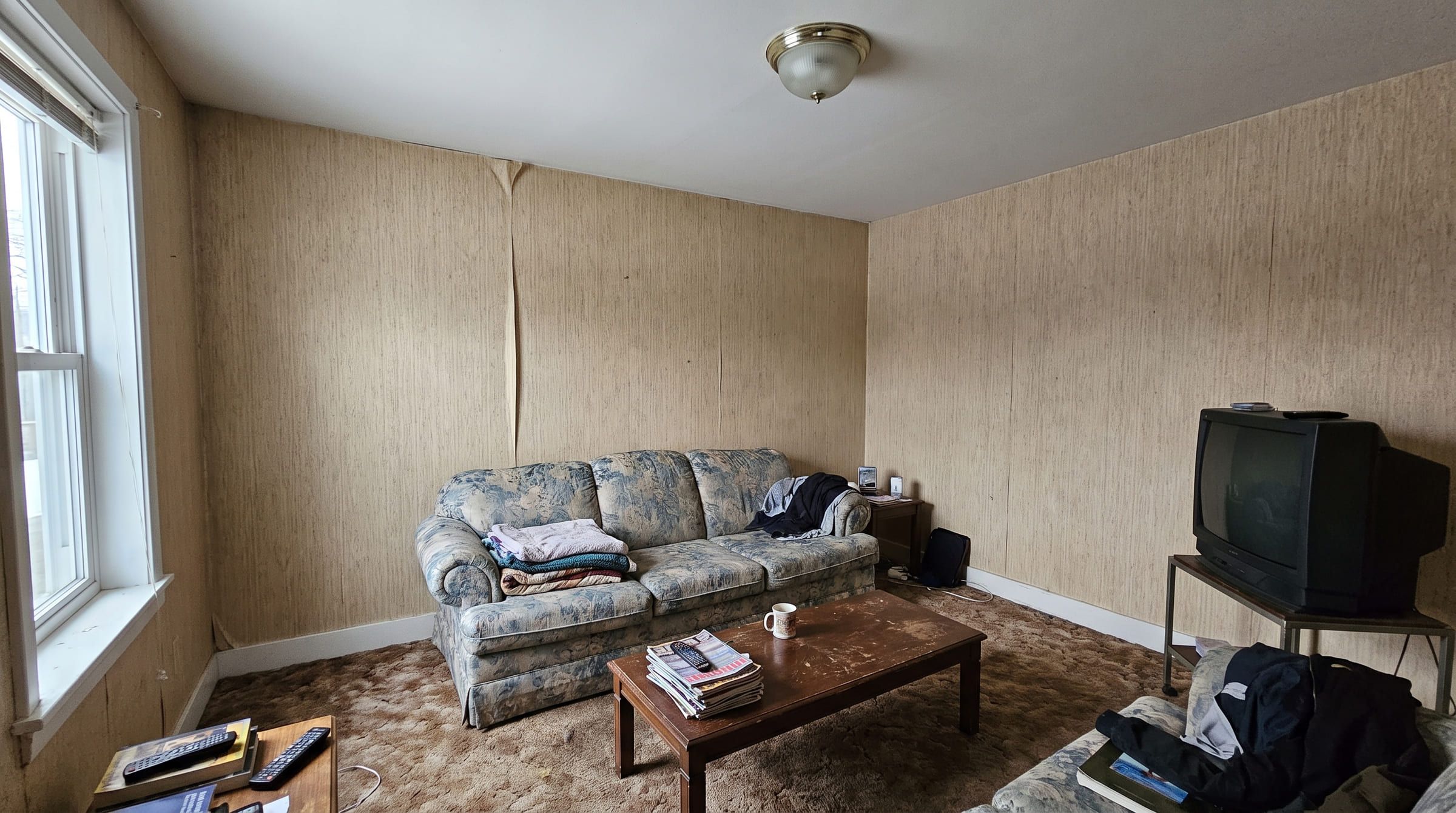
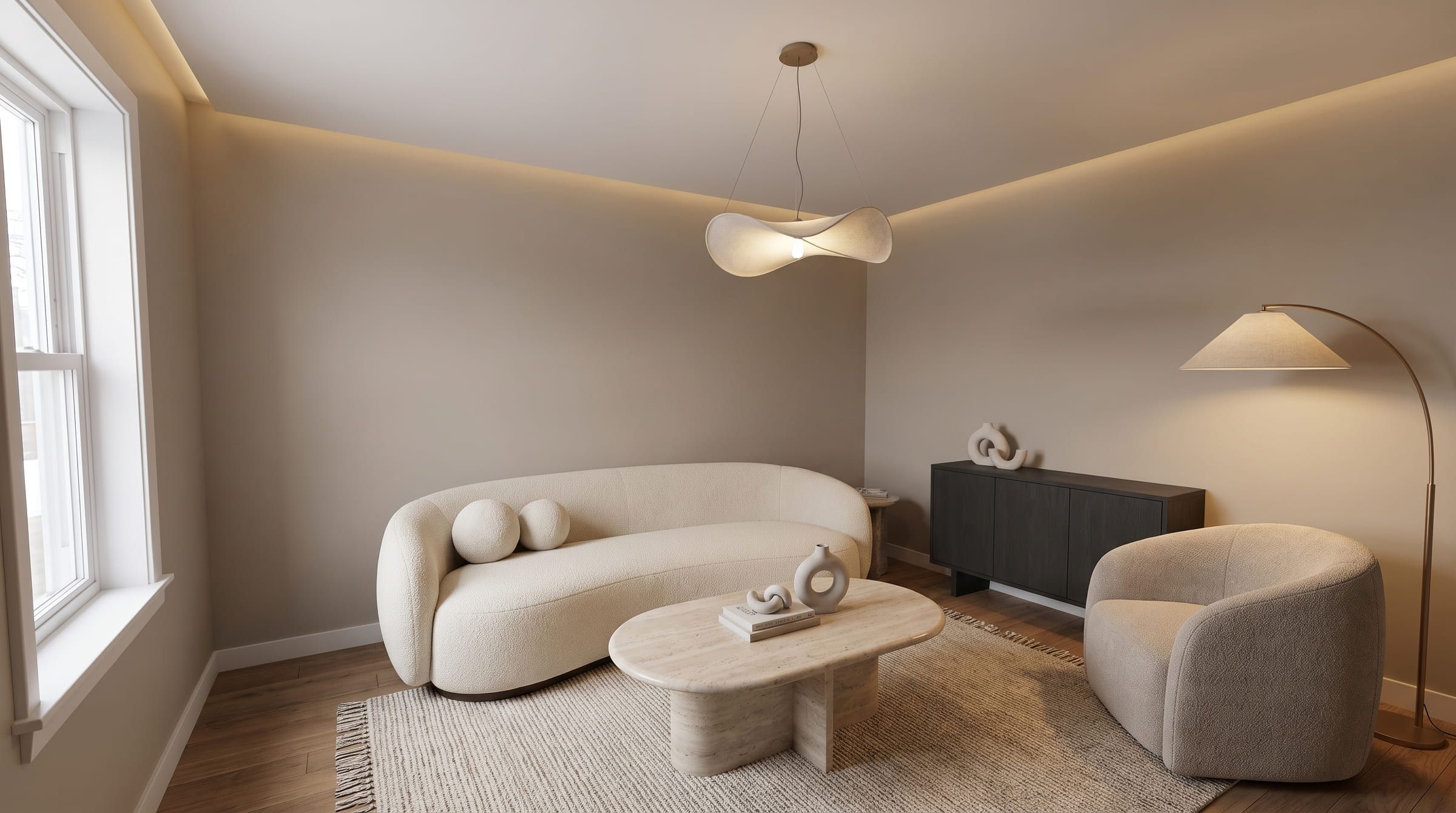
Drag to compare. The same living room photo, restyled in Contemporary with remyhomeai's AI model.
What defines the contemporary look?
Soft curves are the first thing people notice. Sofa backs bend, coffee tables are round, mirrors are arched, accent chairs have barrel shapes. The curves stand out because the architecture around them is straight.
Everything is layered. Rugs sit on rugs. Four or five textures share one seating group. Light comes from the ceiling, from the wall and from the table at the same time.
The style is current rather than timeless. It absorbs whatever is in favour, which today is organic shape, Japandi calm and earthy colour. Because the base is neutral, a contemporary room can be updated one piece at a time.
Materials and finishes
Upholstery is boucle, chenille or muted velvet. Side tables and plinths are travertine or limestone. Cabinet fronts and headboards are fluted or reeded wood, usually in a light-to-mid oak.
Metal is brushed brass, bronze or matte black. Chrome is absent. Glass is smoked or fluted rather than clear. Walnut appears as a secondary wood for warmth and contrast.
Walls are limewash or a plaster effect. Floors are large-format matte porcelain or mid-tone oak. A good contemporary room mixes four to six distinct textures and no more than two metals.
Colour palette
The field is warm neutral: cream, oat, camel, taupe, mushroom and greige. The accent is dark: charcoal, espresso, forest green or inky navy. Most of the room is neutral, a little is mid-tone texture, and a small share is the dark accent.
Calm Neutrals, Japandi Calm, Olive Stone, Cocoa & Vanilla and Terracotta Warmth are the remyhomeai palettes that follow this logic.
A single colour accent is allowed if it is earthy: olive, rust or ochre. Primary colours and pastels pull the room toward eclectic.
Lighting
Contemporary lighting is built in layers. Ambient light comes from recessed or flush ceiling fittings. Task light comes from a reading floor lamp or under-cabinet strips. Accent light comes from picture lights and LED in niches. Decorative light is the visible fixture: a linen drum pendant, an alabaster disc or a cluster of opal glass globes.
Sources sit at different heights so the room has no single bright spot. Every layer is on a dimmer. Bulbs are warm white throughout.
Fixture finishes match the room's metal, brushed brass or black, and shades are soft: fabric, paper, frosted or ribbed glass.
Furniture and layout
The anchor is a curved sofa in boucle or chenille. In front of it sits a round or kidney-shaped coffee table in travertine. A barrel-back accent chair completes the group. The dining table is oval with fully upholstered chairs.
Pieces are low and wide. A fluted oak sideboard runs along one wall. An arched floor mirror leans in a corner. Rugs are layered: a jute base with a wool rug on top, both oversized.
Seating is arranged for conversation around the round table rather than toward a television. Edges along walking routes are soft. Heights vary so the eye moves up and down.
Common mistakes
Following every trend at the same time. A room where every piece is curved and every surface is boucle looks like a showroom display. Straight pieces are needed to anchor the curves.
Going all beige. Without a dark metal, a dark wood or a deep wall the room goes flat and tired. One contrast element is enough.
Relying on a single ceiling light. Layered light is the point. A room lit from one centre point loses the depth the style depends on.
Too many metals or wood tones. Brass and black is fine. Brass, black, chrome and nickel together is not. Two woods at most.
What changes in your photo
Contemporary in remyhomeai softens the outlines of the furniture in your photo while leaving the architecture alone. Walls, windows, doors, ceiling and the camera position are fixed because the tool edits the image you upload. The floor typically becomes a mid-tone oak or a warm large-format tile unless you tick the floor box.
Boxy seating turns curved. Square tables turn round. Textiles become boucle, chenille and layered rugs. Metals shift to brushed brass or black. The ceiling fitting becomes a soft pendant and lamps appear at lower heights. Wall colours move toward warm neutrals, sometimes with a single darker accent wall. Built-ins you want unchanged go in the keep field. Because this style tracks current taste, a result generated today may look dated in a few years, which is true of the real-world style too.
Contemporary style questions
Is contemporary just another word for modern?
No. Modern is a specific style with straight lines, glass, metal and high contrast. Contemporary is a moving target that means current taste, which at the moment is curved, soft and warm. Many rooms sold as modern are in fact contemporary.
Will a contemporary room date quickly?
Some elements will, because the style tracks trends. The fix is to keep the expensive base pieces neutral in colour and shape and to put the trend into cushions, lamps and art, which are cheap to swap.
Can I mix contemporary with traditional pieces?
Yes. A rolled-arm sofa next to a travertine coffee table under a linen pendant is a common and comfortable mix. Designers call that blend transitional. Keep the colour palette warm neutral so the two vocabularies share a language.
What colours are contemporary right now?
Warm neutrals dominate: cream, oat, taupe, camel and greige. Accents are olive, terracotta, espresso and forest green. Cool greys and bright white, which dominated earlier, are fading from contemporary rooms.
The other six styles, on the same room
- ModernSleek lines, glass + metal accents, dramatic lighting.
- MinimalistAiry layouts, matte finishes, calm monochrome palettes.
- IndustrialRaw textures, concrete + steel, loft-style openness.
- ScandinavianLight woods, cozy textiles, soft greens and whites.
- TraditionalSymmetry, paneled details, rich fabrics and warm metals.
- EclecticPlayful mix of art, texture, and bold curated accents.