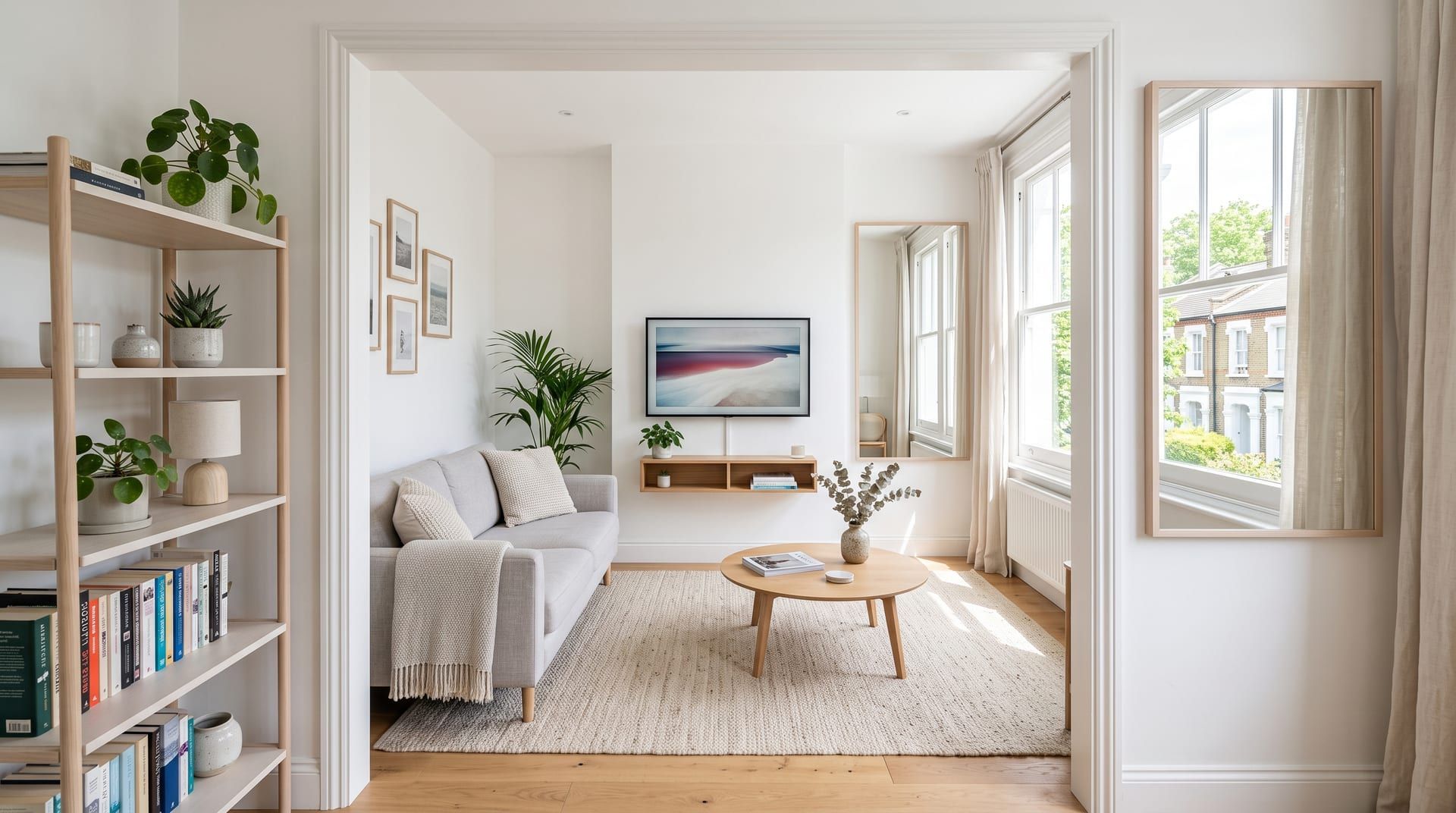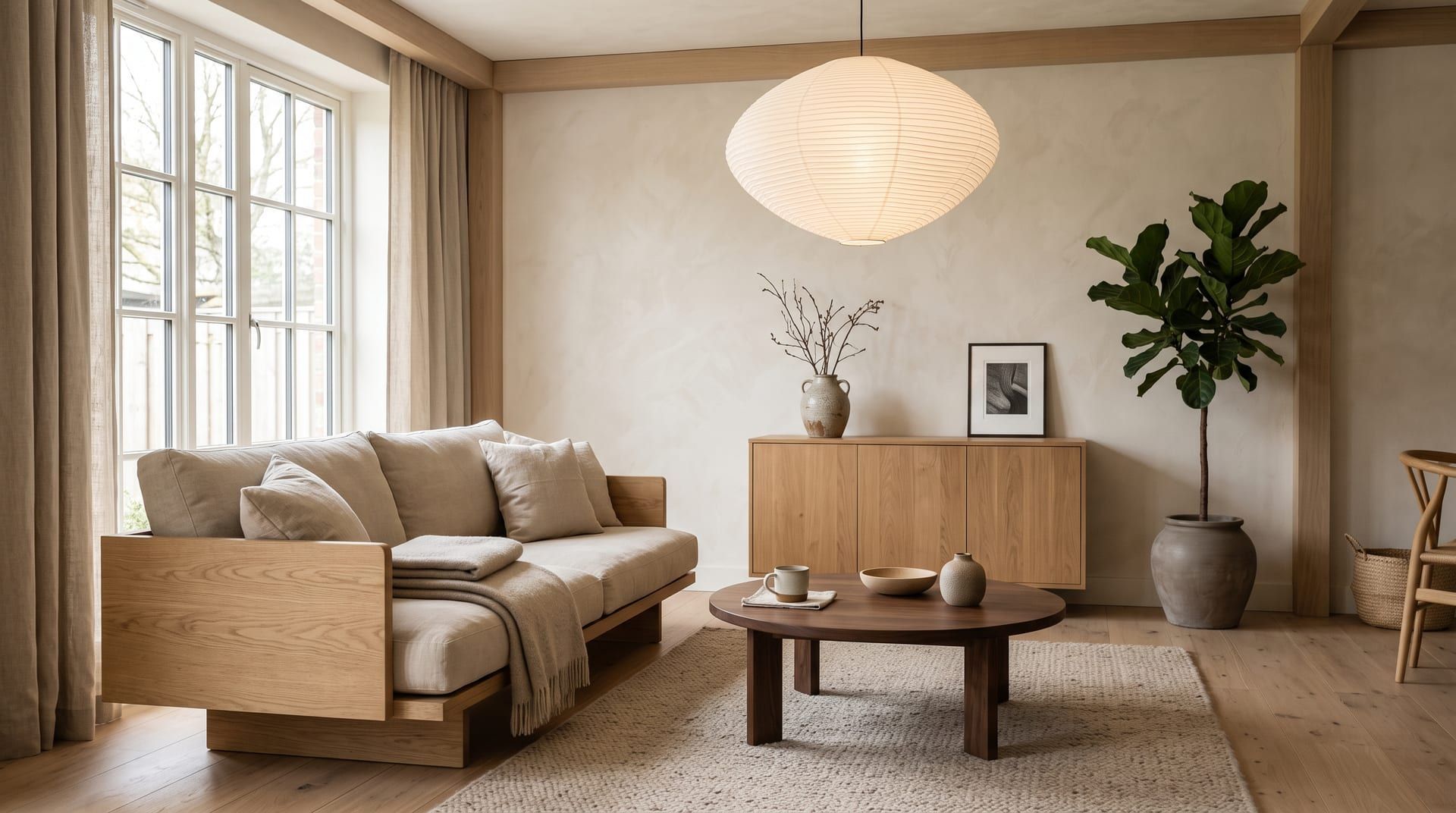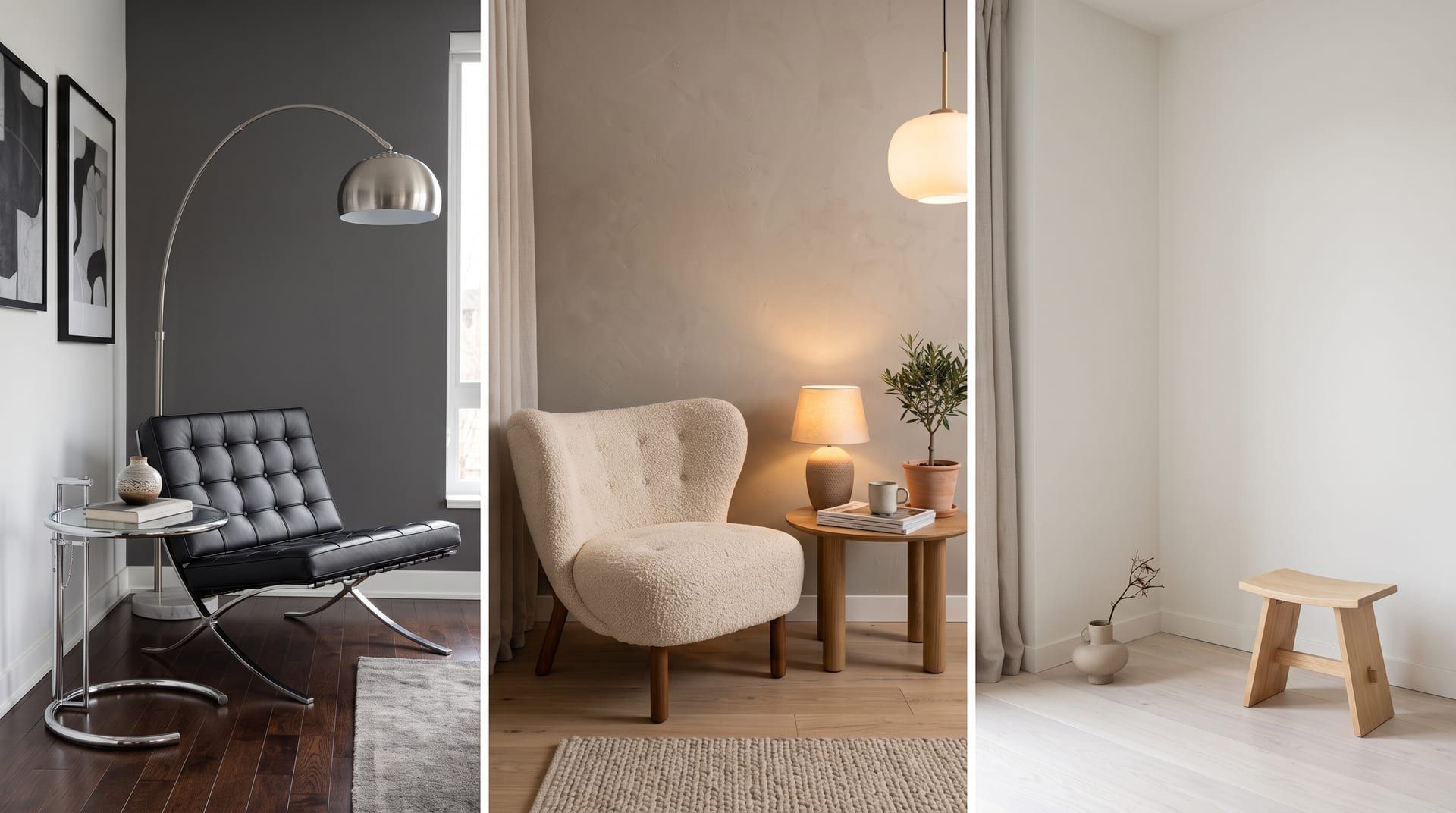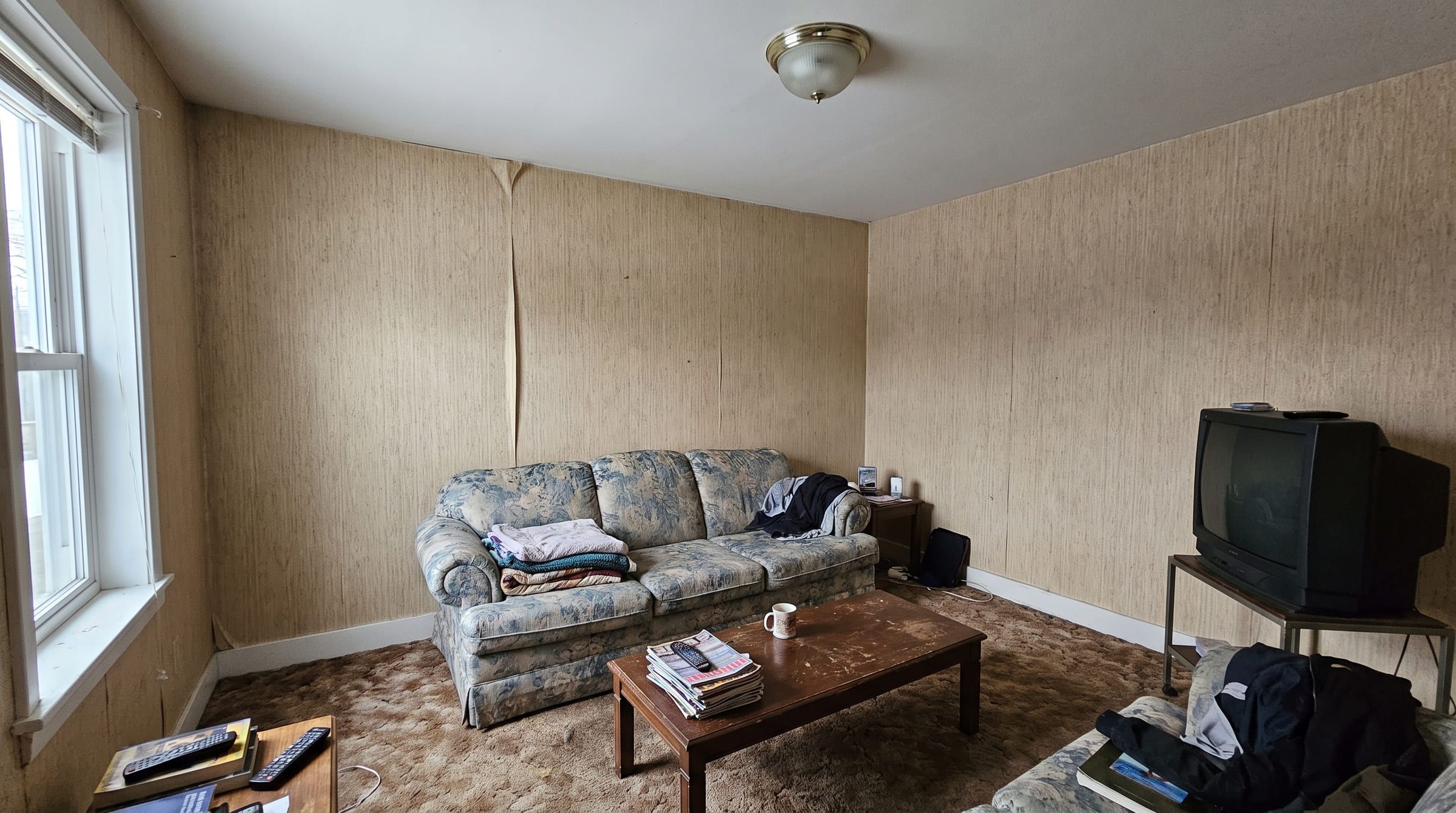
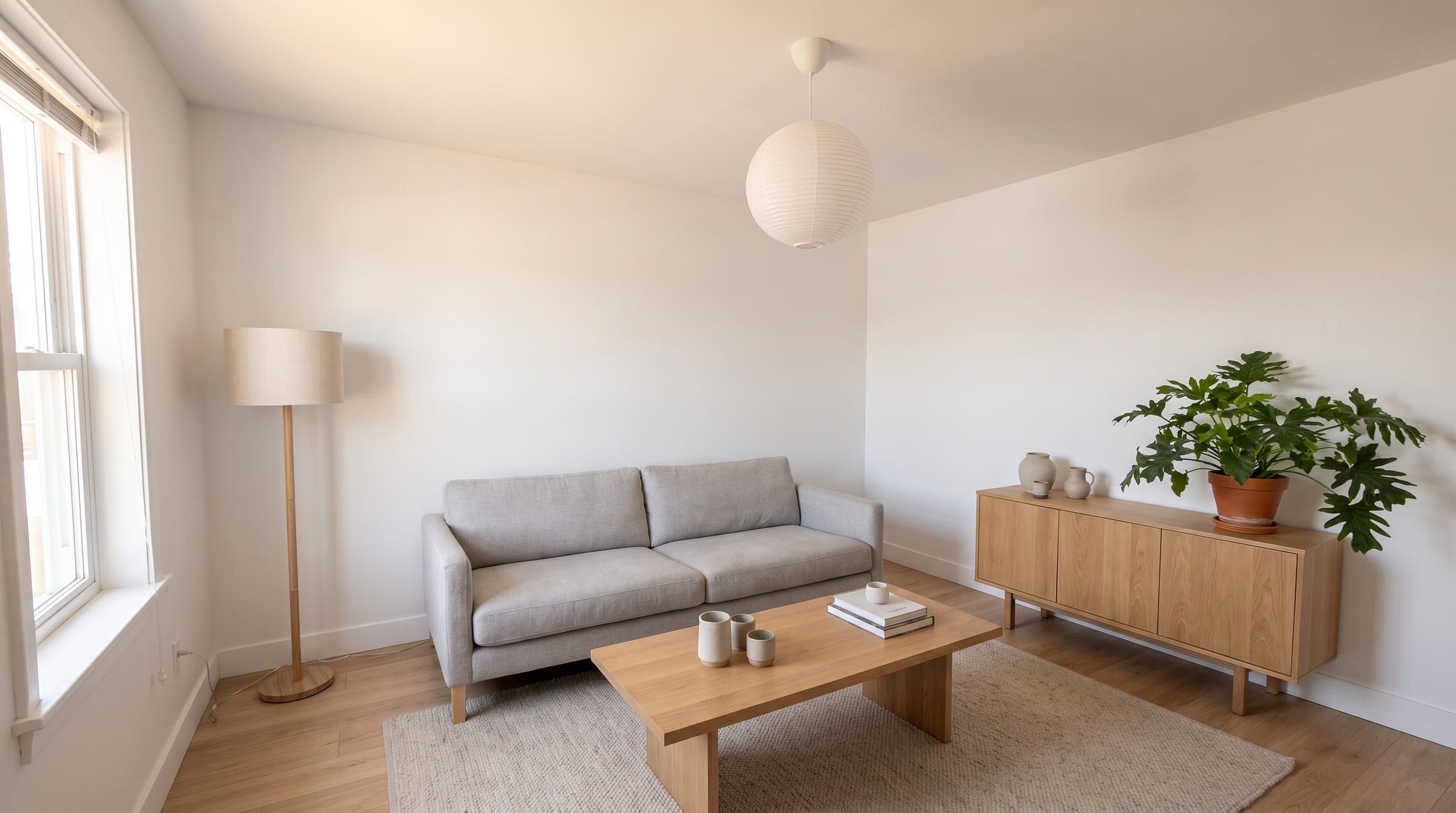
RoomGPT is a web app that takes a photo of your room, a theme and a room type, and returns a redesigned image. It suits someone who wants a quick concept picture in a few clicks and does not mind if the room in the result is not quite the room in the photo. If you want to see your own room restyled, with the same walls and windows, test it on one of your own photos before you buy credits, and compare it with a tool that edits the photo instead of redrawing it.
This review draws on what RoomGPT publishes, what the code of its open-source predecessor shows, and what dated third-party reviews report. The sources are linked at the end. The slider at the top of this page shows remyhomeai’s output, not RoomGPT’s. To compare the two fairly, run the same photo through both.
What RoomGPT does well
It is simple. The flow has three steps: upload a photo, pick a theme and a room type, get an image. There is nothing else to learn. For a first look at “what if this room were modern”, that is enough.
It has an open-source history. The previous version of RoomGPT is public on GitHub. The README calls it “the previous and open source version of RoomGPT.io” and says it sends the photo through “an ML model called ControlNet”. If you are a developer, you can read the code, run it yourself, and see what the product grew from. None of the other tools compared here offers that.
People know the name. RoomGPT says more than four million people have used it. Brand recognition matters when you search for a room design tool and want the one your friend mentioned.
RoomGPT does not advertise exterior, floor plan, staging, shopping or video features.
How does RoomGPT generate a design?
RoomGPT does not say. Its open-source predecessor used ControlNet. A ControlNet pipeline uses the input image as a guide for a new image rather than editing the pixels of the original. The rough layout survives. The details are drawn fresh each time.
Reviewers describe exactly that. A Krea review from September 2026 says: “Walls and windows mostly survive; reviewers also record windows moving, built-ins warping”, and that RoomGPT “rerolls the whole room with every generation”. One Trustpilot reviewer wrote: “It completely changed the size & shape of the room, moved windows, and warped the walls”. It is one of only a handful of reviews there, but it matches what the method predicts.
No “keep structure”, mask or layout-lock feature is advertised. You cannot tell RoomGPT to leave the fireplace alone.
RoomGPT is not alone in redrawing the room, and remyhomeai is not alone in keeping it. The field has split. Some tools generate a new image from a prompt and a rough layout. Others edit the photo you uploaded. Remodel AI, HomeDesigns AI, ReimagineHome, Spacely AI and remyhomeai all advertise some form of structure preservation. Whichever tool you pick, check which approach it uses, then test it on one of your own photos. Our guide to redesigning a room from your own photo explains the two approaches in more detail.
What does RoomGPT cost?
RoomGPT shows its prices only after you sign in. Its public pages advertise discount codes but no plan prices.
Third-party listings fill the gap. Krea lists 30 credits for $9, 100 for $19 and 200 for $29. Take $9 for 30 credits as the likely entry price, and confirm it after you log in.
RoomGPT does not publish commercial use terms.
Is there a free tier?
RoomGPT does not publish one. Signing in takes you straight to the generator. Krea reports “1 to 3 free generations” after Google sign-in and notes that the pricing page appears only after login. The watermark and resolution on the free tier are not published either. Krea reports that output “tops out around 2,048 pixels on the long edge”.
RoomGPT vs remyhomeai
| RoomGPT | remyhomeai | |
|---|---|---|
| Approach | Not described. The predecessor used ControlNet. Reviewers report whole-room redraws. | Edits the actual photo. Walls, windows, doors, ceiling height and camera angle stay where they are. |
| Free tier | Not published. Third party: 1 to 3 generations after Google login. | 3 free designs at signup, email account, no card. |
| Cheapest paid price | Shown after sign-in. Third party: $9 for 30 credits. | $5 for 20 credits, $0.25 a design. No subscription. |
| Styles | Not published. Predecessor code: 5 themes. Reviewers count 10 to 20 presets. | 7 styles, 39 colour palettes, free-text palette field. |
| Room types | Not published. Predecessor code: 6 rooms. | 7: living room, bedroom, kitchen, bathroom, dining room, office, corridor. |
| Keep or lock controls | None advertised. | Tick floor, doors, windows, ceiling or walls to lock them. Name anything else to keep. |
| Resolution | Not published. Third party: about 2,048 px on the long edge. | The same for every design, free or paid. |
| Commercial licence | Not published. | Included with every design. |
When to pick RoomGPT
- You want a concept image, not a plan for your actual room. If the result is a nice room in roughly your layout, that is enough.
- You want more preset themes to browse. Reviewers count 10 to 20 presets, against remyhomeai’s 7 styles.
- You want to sign in with Google in one click instead of creating an account. Krea reports 1 to 3 free generations after Google login.
- You are a developer and want to run the open-source predecessor on your own machine.
- You want the tool with the most name recognition, because you plan to share the result and people will ask what you used.
When remyhomeai is the better fit
- You want the result to be your room. remyhomeai edits the photo, so the window stays where it is and the ceiling stays the same height. Only the design changes.
- You want to keep specific things. Tick floor, doors, windows, ceiling or walls to lock them, and name anything else to keep, like a fireplace or built-in shelves.
- You want control over colour. 39 palettes plus a free-text field to describe your own.
- You want to know the price before you log in. You get 3 free designs at signup. After that, a design costs $0.25: $5 for 20 credits, $15 for 60, $40 for 160. There is no subscription and credits never expire.
- You have several photos of the same room and want them redesigned together.
- You want your uploads and results kept in a searchable, taggable library instead of a download folder.
For a living room like the one at the top of this page, see living room redesigns on remyhomeai. For the one-page version of this comparison, see remyhomeai vs RoomGPT.
Where remyhomeai falls short
- No shopping links. The furniture in a design is generated. remyhomeai does not tell you where to buy it.
- No floor plans and no 3D. It works on the photo, not on a model of the room.
- No mobile app. It is a web app.
- The 3 free designs need an account. You give an email address. You do not give a card.
- The 3 free designs are a one-time allowance at signup. They do not renew.
- It is a restyling tool for furnished rooms. For an empty room, use a tool built for staging.
- A design takes 30 seconds to 3 minutes. It runs in the background and the result waits in your history, but it is not instant.
How to run a fair test
Pick one photo of one room. Run it through RoomGPT with the theme closest to Scandinavian. Run it through remyhomeai with the Scandinavian style and walls and windows ticked under Keep. Put the two results next to the original and look at three things: are the windows in the same place, is the ceiling the same height, and is the camera angle the same. That tells you which approach each tool uses more clearly than any review can, including this one.
Sources
- RoomGPT
- RoomGPT’s open-source predecessor on GitHub
- Krea: RoomGPT review and alternatives, September 2026
- Trustpilot: RoomGPT
RoomGPT details reviewed October 2026. Prices change; confirm them on RoomGPT before you buy.
Try it on your own room. You get 3 free designs at signup, no card required. After that, credits start at $0.25 a design. Start free at app.remyhomeai.com.